
The Black Diasporic Relationship With American & Global Colonialism: Expressed through the words of Eminem and Rihanna
A decolonial framework for understanding how Black Memory Survives and Reconfigures itself through symbolic Lineage, Refusal, and Diasporic Encoding!

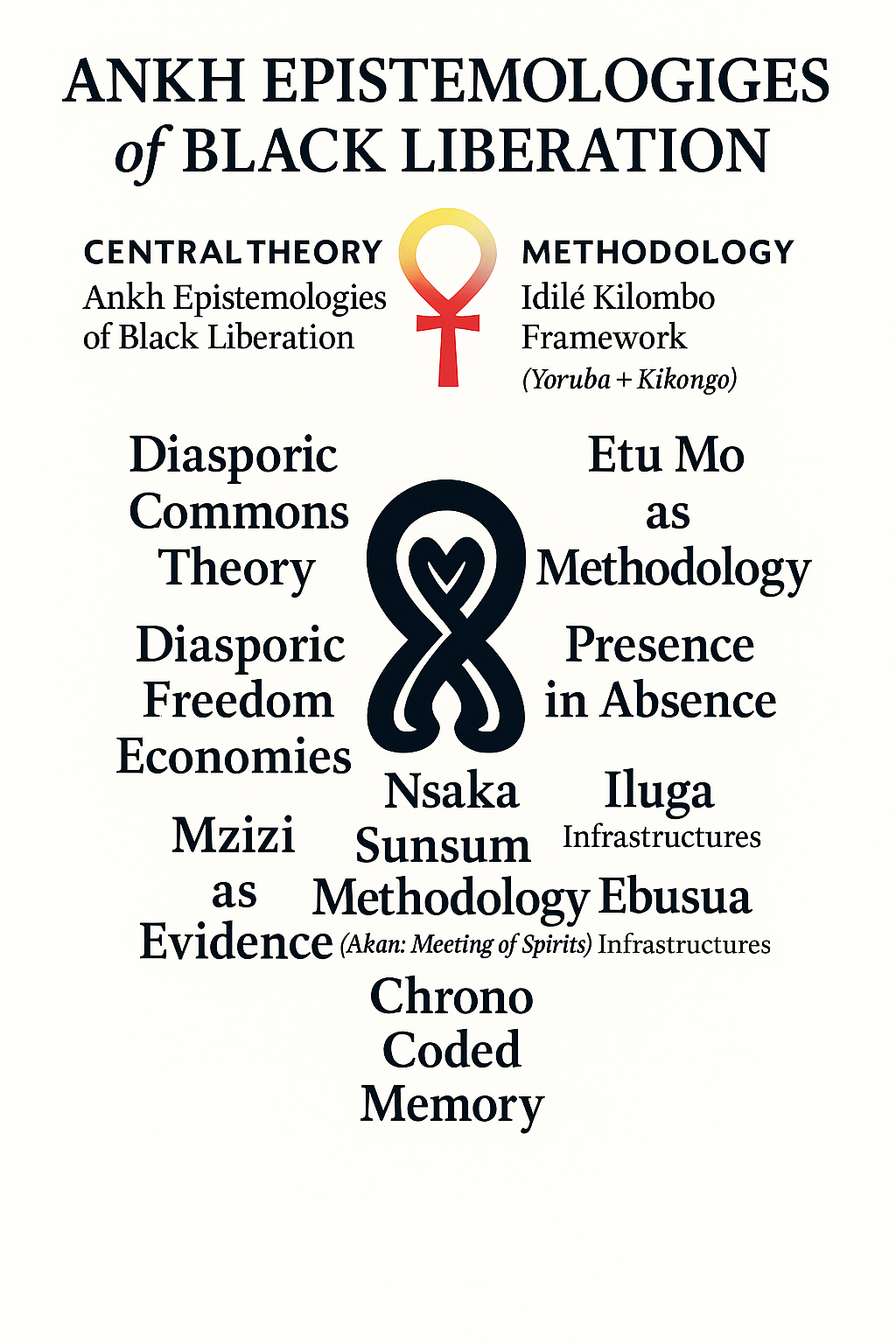
How Historical Diasporic Genocide Occured Every New Generation
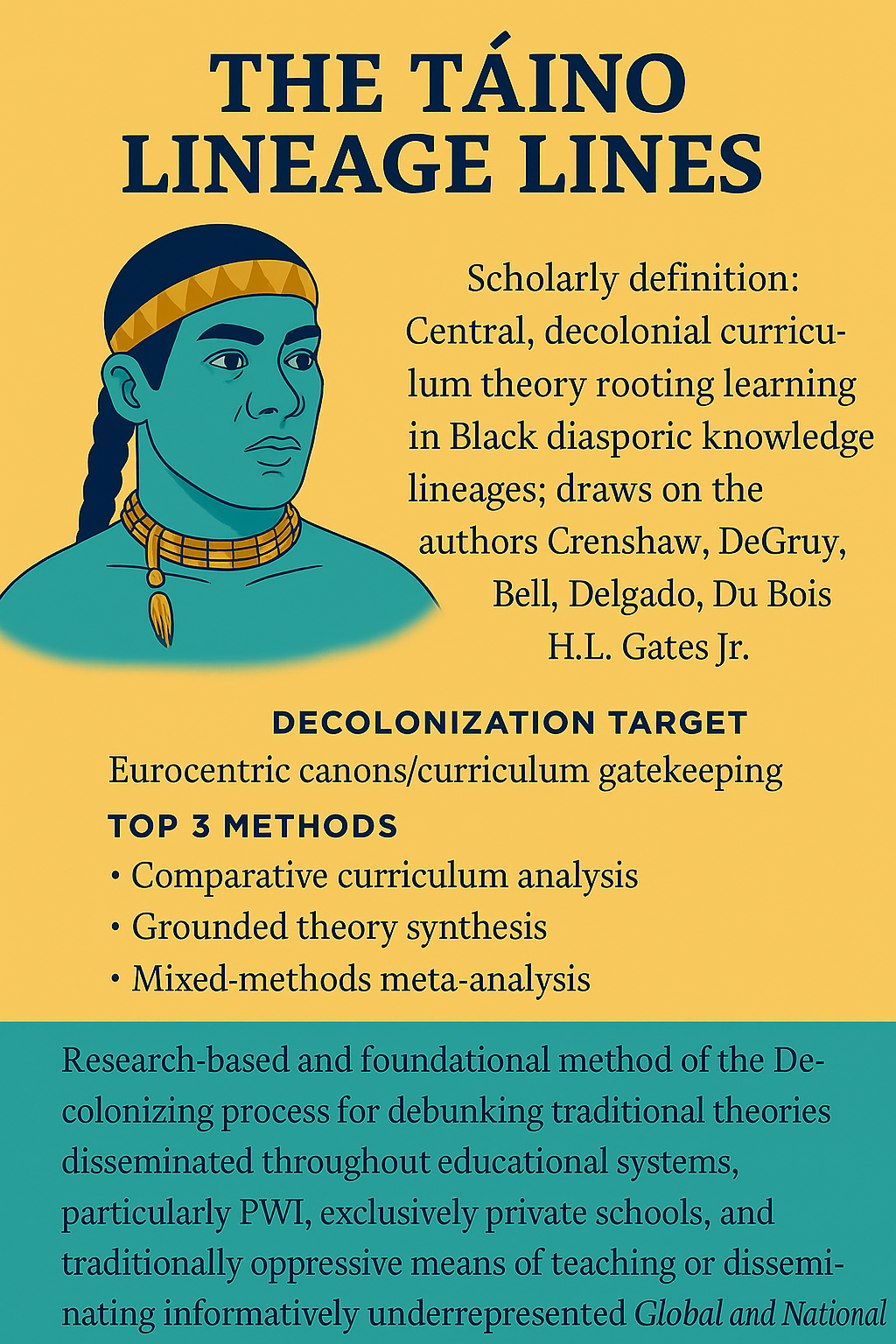
Ensuring the School to Prison Pipeline with the Diasporic Curriculum Dissemination
- Persisting achievement gaps: Critics point to the continued existence of racial achievement gaps in K–12 and higher education, suggesting that DEI initiatives have not effectively closed them. Despite the presence of DEI programs, national test scores show that Black students continue to lag behind their white peers in math and reading proficiency.
- Focus on representation over performance: Some argue that the emphasis on diversity metrics such as increasing minority enrollment has overshadowed the core mission of improving academic outcomes. This focus can lead to a lowering of academic standards and a failure to address the fundamental issues affecting students who are furthest behind.
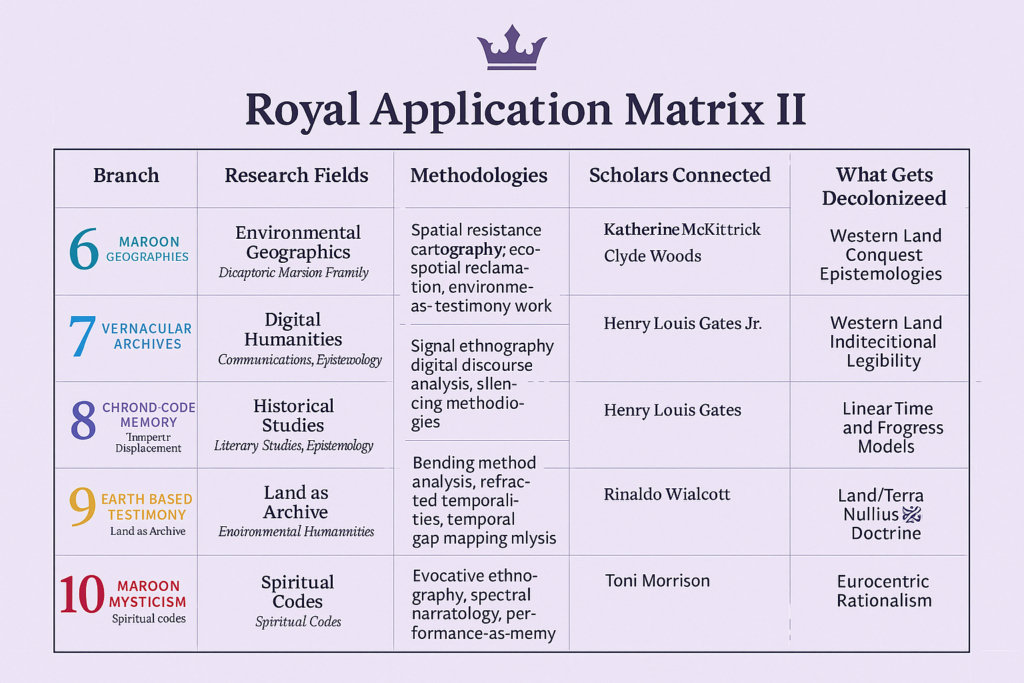
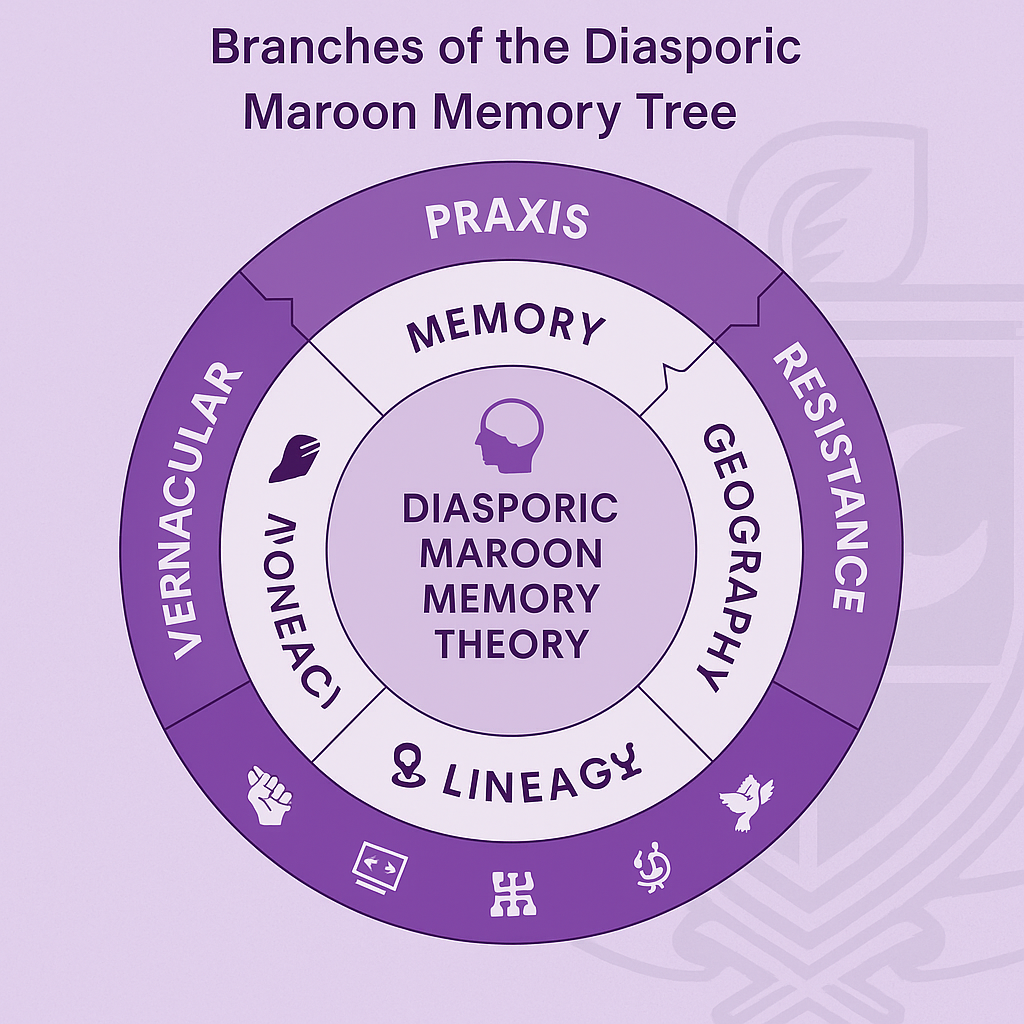
Diasporic Maroon Memory Theory is not only beneficial but an Essential tool in Education
- Improving academic and social outcomes: Research shows that when Black Scholars feel supported and included in their educational environment, their academic performance, campus participation, and graduation rates increase. This sense of belonging is fostered through effective DMMT initiatives.
- Culturally Correlated education: DMMT Tecniques have been critical for the advocation of culturally competent curricula and diverse teaching staffs. Studies have shown that when Black Scholars are taught by Black Facilitators, their science, math and reading scores Excel.
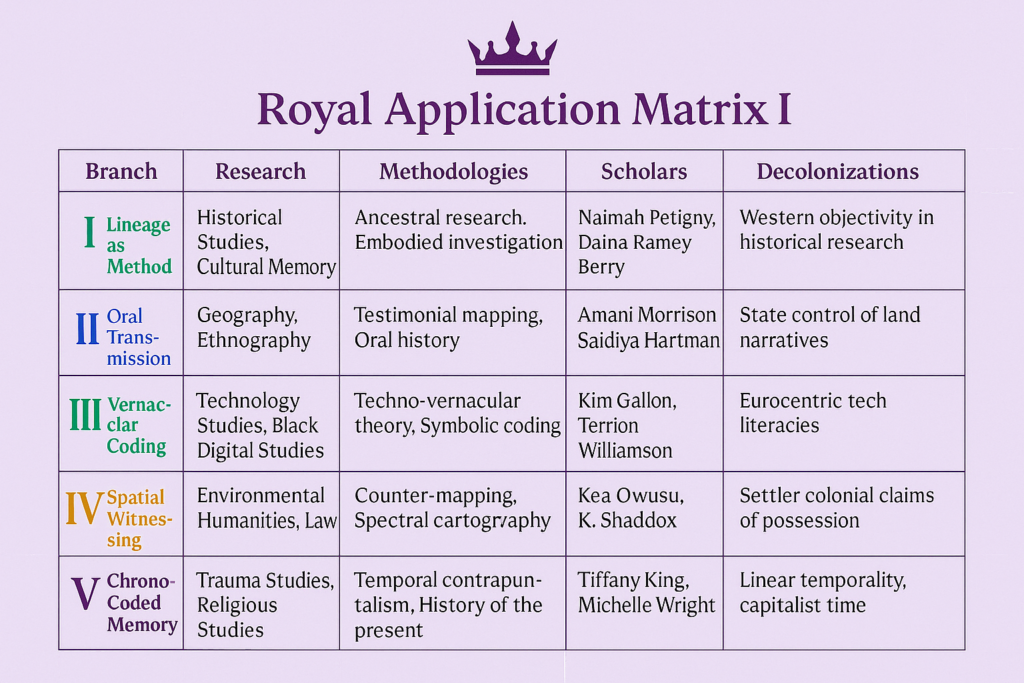
New Research on Diasporic Education and Learning Tools; from the Diasporic Maroon Memory Theoretical Families
Presented by Assoc. Prof. Meya E. Hargett, M.A.
| Aspect | FBA/ADOS | Black Indigenous |
|---|---|---|
| Primary focus | Political advocacy for reparations specifically for U.S. descendants of enslaved people. | Intersectional identity rooted in shared Black and Native American heritage and history. |
| Lineage | Exclusively traced to those enslaved within the United States. | Combines Black (African) and Native American ancestry. |
| Inclusivity | Defines a boundary that excludes Black immigrants from its reparations claim. | Inclusive of multiple ancestries and challenges monolithic racial categories. |
| Critique of each other | Some proponents express hostility toward other Black groups, including those claiming Indigenous heritage, viewing them as competitors for resources or as undermining an exclusive claim. | Often view the exclusionary, lineage arguments as continuing settler colonial and xenophobic thinking that creates division within the broader Black community. |
| Relationship to land | Frames Black Americans as foundational in the U.S. but typically does not emphasize ties to pre-colonial land claims the way Indigenous sovereignty movements do. | Direct connection to land through Native American ancestry and tribal affiliations, aligned with Indigenous sovereignty and Land Back movements. |
Commons & Freedom Economies — Practice Ledger
Pedagogy of Illuminous Care — Lesson Objects
| Lesson Object | Purpose & Theoretical Root | Implementation Steps |
|---|---|---|
| Ritual Opener – “Return to Light” |
Opens the learning space with communal presence Chrono-Coded Memory + Ancestral Stewardship |
Reflection Rubric (5 pts) – Presence & respect for communal voices (0–2) – Depth of ancestral connection into study |
| Dialogue Protocol – “Circle of Illumination” |
Facilitates equitable voice rotation through Vernacular Archives & Method. Centers dialogue as illumination: the act bringing silenced knowings to light. |
Reflection Rubric (5 pts) – Equal voice distributive (0–2) – Depth of connection to memory (0–2) – Communal reciprocity |
| Assessment Rhythm – “Regenerative Rhythm” |
Replaces traditional grading with reflective rhythms of communal growth Commons & Freedom Economies |
Rhythm Integrity Rubric (5 pts) – Authenticity of care reflections (0–2) – Evidence of mutual support (0–1) |
© Assoc. Prof. M. E. Hargett, M.A. 2025_2028
COLONIALISM TRIZ EFFECT
“Where improving one aspect causes a negative effect” defines a technical contradiction. It describes an inherent and mutually dependent conflict between two opposing cultures within a system, the Oppressor vs. the Oppressed, where a positive change to one parameter simultaneously degrades another.
Unlike a simple trade-off, which accepts compromise, a Diasporic Contradiction is treated as a problem to solve without sacrificing one aspect for another.
Resilience and acceptance
Ultimately, “The Monster” is a song about resilience and acceptance. The chorus, with its powerful acceptance of the inner monster, provides a path forward. The song doesn’t offer a clean resolution, but rather a way to coexist with one’s demons. The final message is one of learning to navigate the chaos rather than trying to completely erase it. It’s an acknowledgement that some battles are internal and ongoing, and that true strength lies in befriending, rather than defeating, the monsters inside.