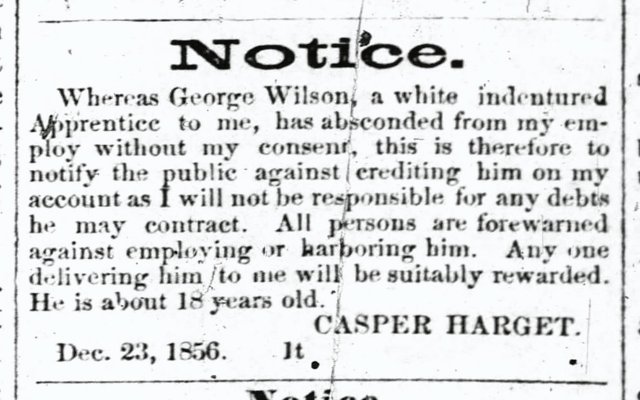
Diasporic Digital Discourse Analysis_artifact 1
Hargett’s Fugitive’s Heritage, Lived Experience & Dismal Swamp Discourse Narrative Methodology
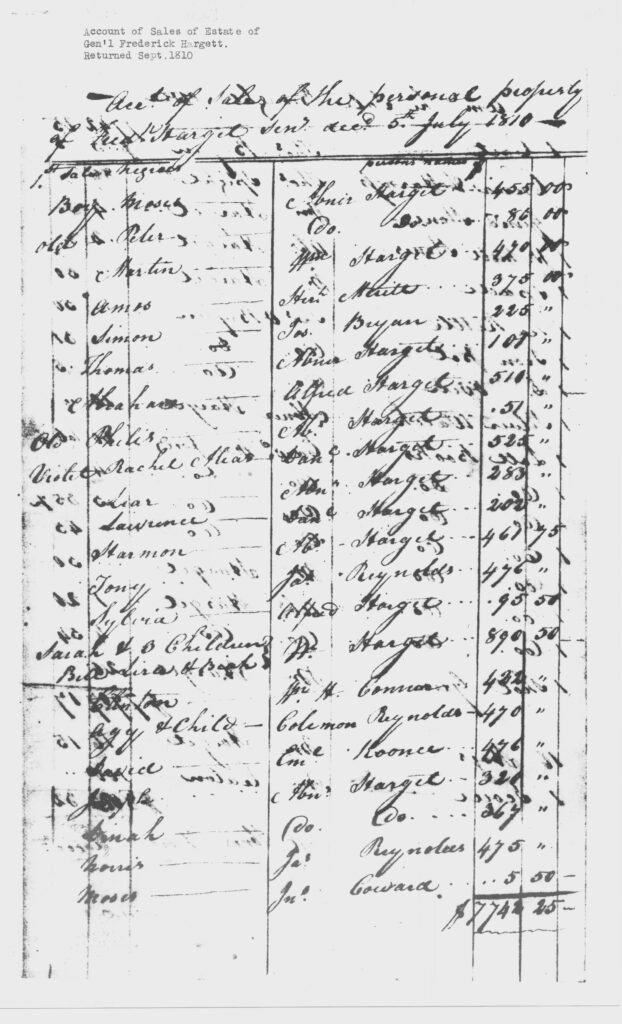
Estate Sale Record, 1810
Gen’l Frederick Hargett
| Enslaved | Purchaser | $ |
|---|---|---|
| Ben | Annie Hargett | 450 |
| Old Peter | Co. | 85 |
| Arthur | Hargett | 420 |
| James | Hester | 370 |
| Simon | Bryan | 295 |
| Thomas | Thos. Hargett | 107 |
| Old Ellis | Alfred Hargett | 510 |
| Violet Rachel & child | Jas. Hargett | 522 |
| Celia | John Hargett | 380 |
| Lawrence | Danl. Hargett | 200 |
| Hammond | Geo. Hargett | 461.75 |
| Tony | Reynolds | 47 |
| Alfred | Hargett | 95 |
| Sarah & 3 children | Hargett | 89.50 |
| Boy & child | Coleman Reynolds | 470 |
| Daniel | E. Koonee | 86 |
| Hannah | Thos. Hargett | 324 |
| Morris | Jas. Reynolds | 470 |
| Moses | Jno. Coward | 5.50 |
Total: $7,744.25
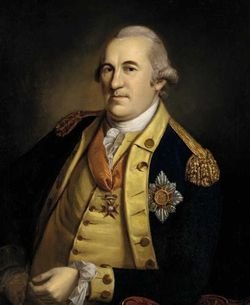
This Researcher’s search for Heritage and Diasporic Understanding on the Patriarchial side led to a Rich DIASPORIC CULTURE AND HERITAGE OF SELF leading to an inclusive Matriculation of LMS Development!
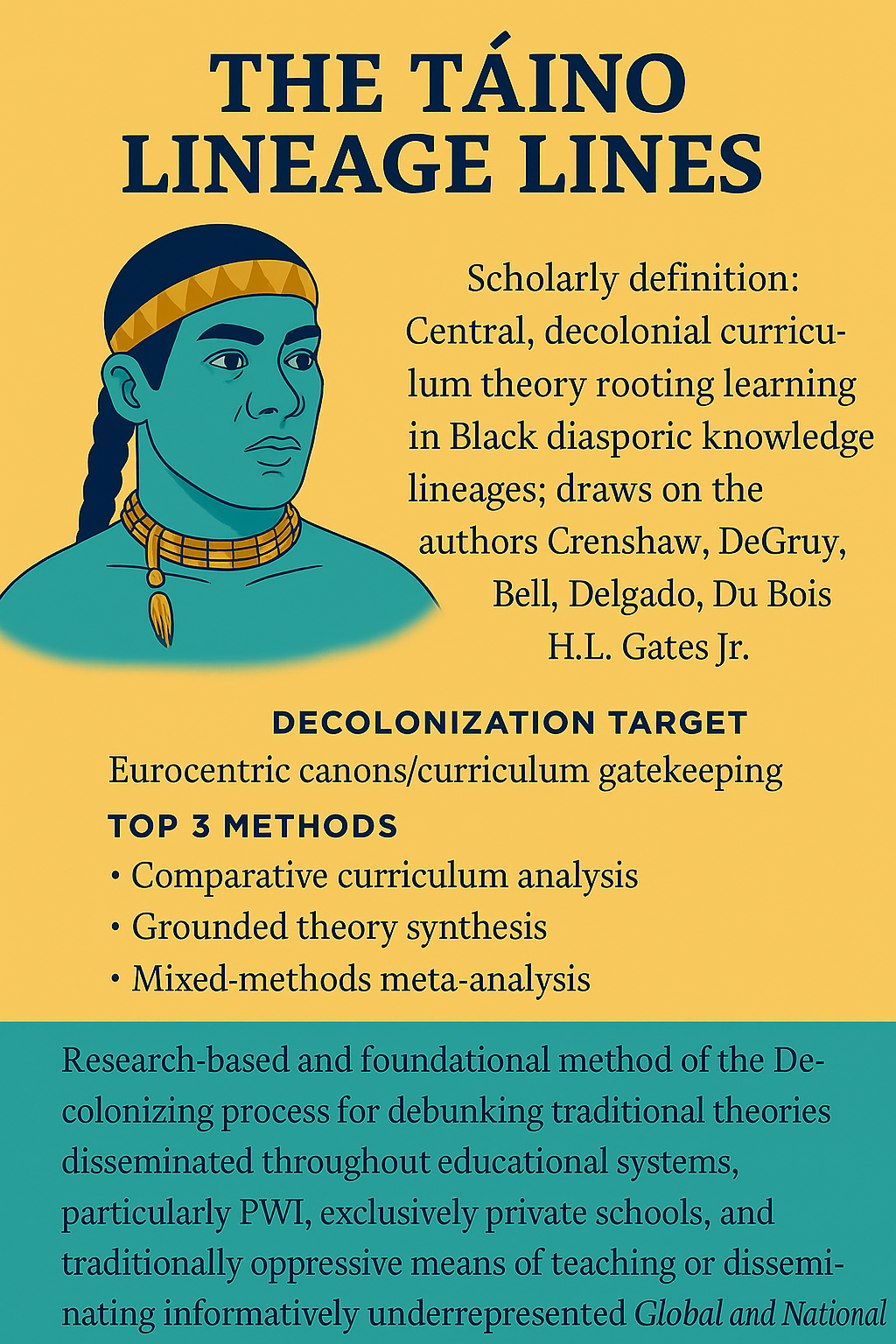
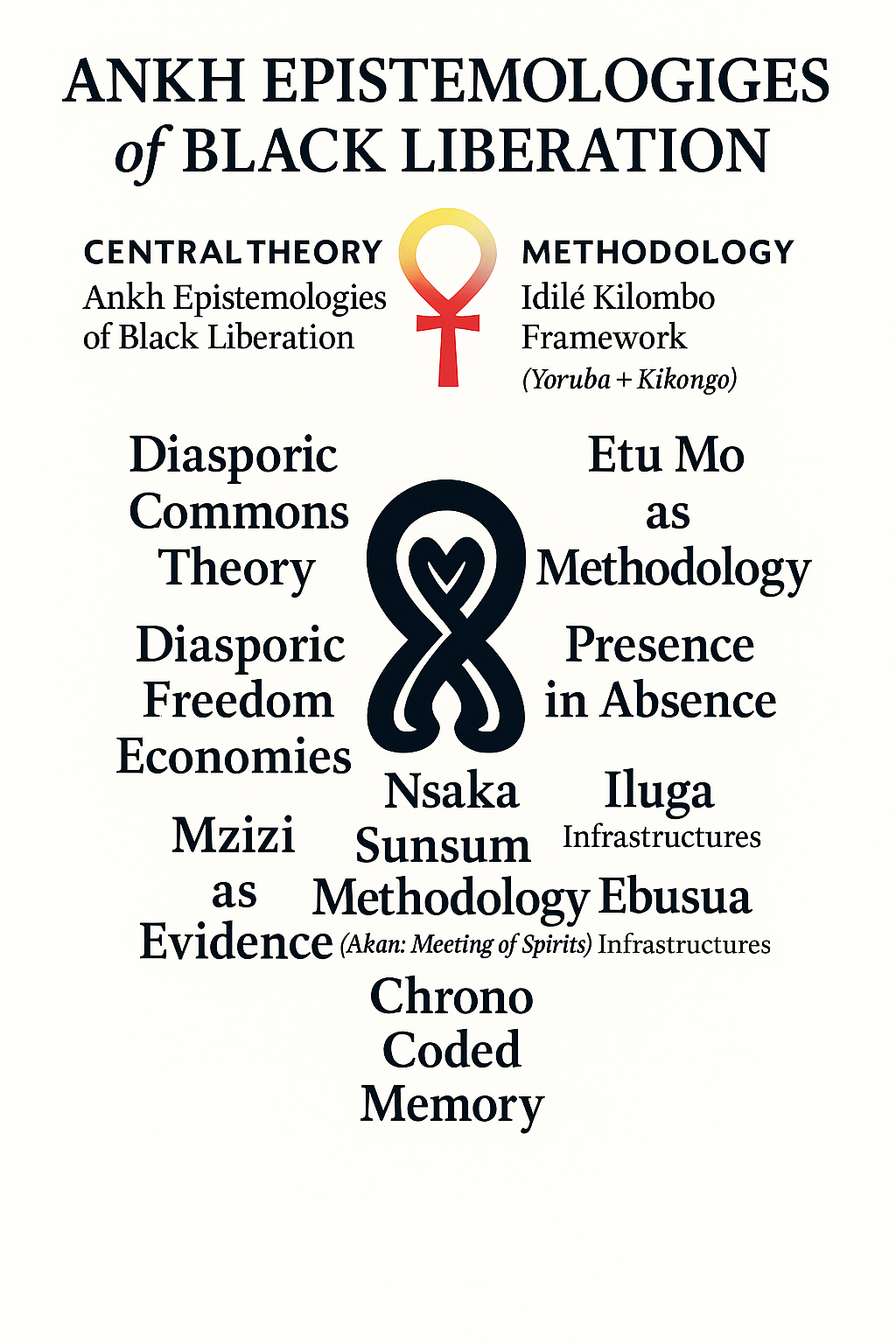
Systemic Education Theories

Argument:
- Persisting: Critics point to the continued…
- This focus can lead to…
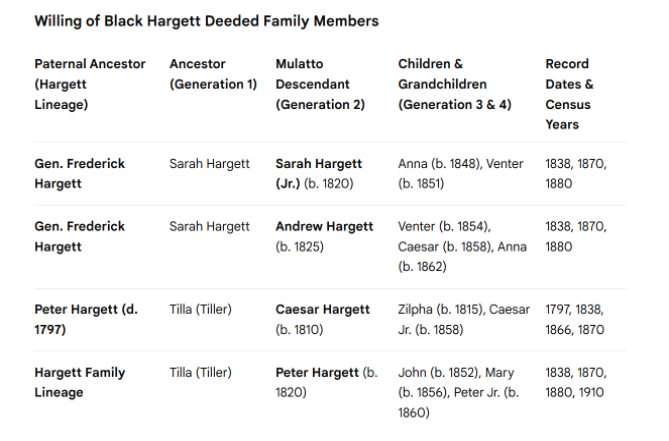
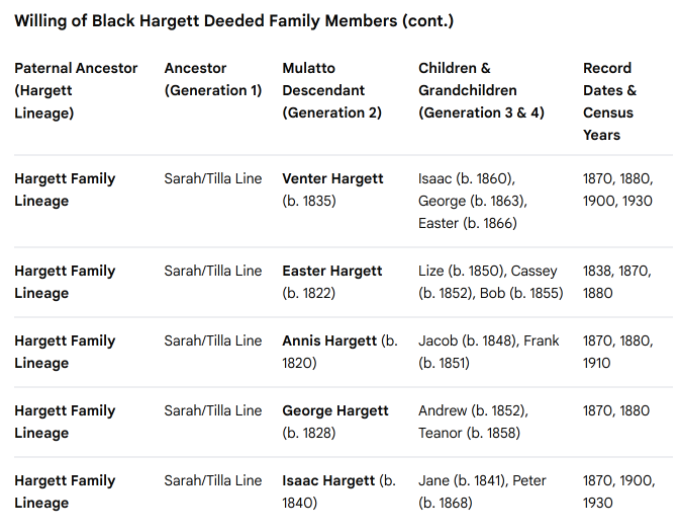
The Dismal Swamp Narrative (cont.): This Researcher
- Persisting “Historical Paper Genocide: Critics point to the continued sytematic enialation attempts towards Diasporic and Indigenous cultures, Histories, and stories.
- But the 1 %: Kept Excellent Horistorical records, thus, the continous need to insure “illiterate Members of Societies and a generational underclass legacy!
New Research on Diasporic Education and Learning Tools; from the Diasporic Maroon Memory Theoretical Families
Presented by Assoc. Prof. Meya E. Hargett, M.A.
FBA/ADOS vs Black Indigenous
| Aspect | FBA/ADOS | Black Indigenous |
|---|---|---|
| Primary focus | Political advocacy for reparations specifically for U.S. descendants of enslaved people. | Intersectional identity rooted in shared Black and Native American heritage and history. |
| Lineage | Exclusively traced to those enslaved within the United States. | Combines Black (African) and Native American ancestry. |
| Inclusivity | Defines a boundary that excludes Black immigrants from its reparations claim. | Inclusive of multiple ancestries and challenges monolithic racial categories. |
| Critique of each other | Some proponents express hostility toward other Black groups, including those claiming Indigenous heritage, viewing them as competitors for resources or as undermining an exclusive claim. | Often view the exclusionary, lineage arguments as continuing settler colonial and xenophobic thinking that creates division within the broader Black community. |
| Relationship to land | Frames Black Americans as foundational in the U.S. but typically does not emphasize ties to pre-colonial land claims the way Indigenous sovereignty movements do. | Direct connection to land through Native American ancestry and tribal affiliations, aligned with Indigenous sovereignty and Land Back movements. |
COLONIALISM TRIZ EFFECT
“Where improving one aspect causes a negative effect” defines a technical contradiction. It describes an inherent and mutually dependent conflict between two opposing cultures within a system, the Oppressor vs. the Oppressed, where a positive change to one parameter simultaneously degrades another.
Unlike a simple trade-off, which accepts compromise, a Diasporic Contradiction is treated as a problem to solve without sacrificing one aspect for another.